Dani Echeverria. Product design leader · Enterprise SaaS & AI

Product visions built with humans in the loop.

I've spent 10+ years designing inside complicated, high-stakes products. Right now that means AI-powered compliance and audit. What I actually do is work out what design should solve before we start designing, then build the shortest honest path through it. With AI that path usually isn't a faster version of the old process, it's a different process, and knowing the difference is most of the job now. I also manage designers, which turned out to be the part I like most.

Currently leading design for an AI-powered compliance and audit platform. Before that: insurance, field service, and enterprise product teams.

Selected work

Outcomes first
Audit workflow · AI + automation

The twelve hours that happened outside the product

Populations and samples run on every single audit, and the process took 12+ hours of manual work each time. Most of it happened in spreadsheets, handled by a separate ops team, outside the product entirely. I redesigned it so it lives inside the platform from start to finish.

100% of audits · a manual 12+ hour process, now automated · the external ops team out of the loop entirely

Read the case study
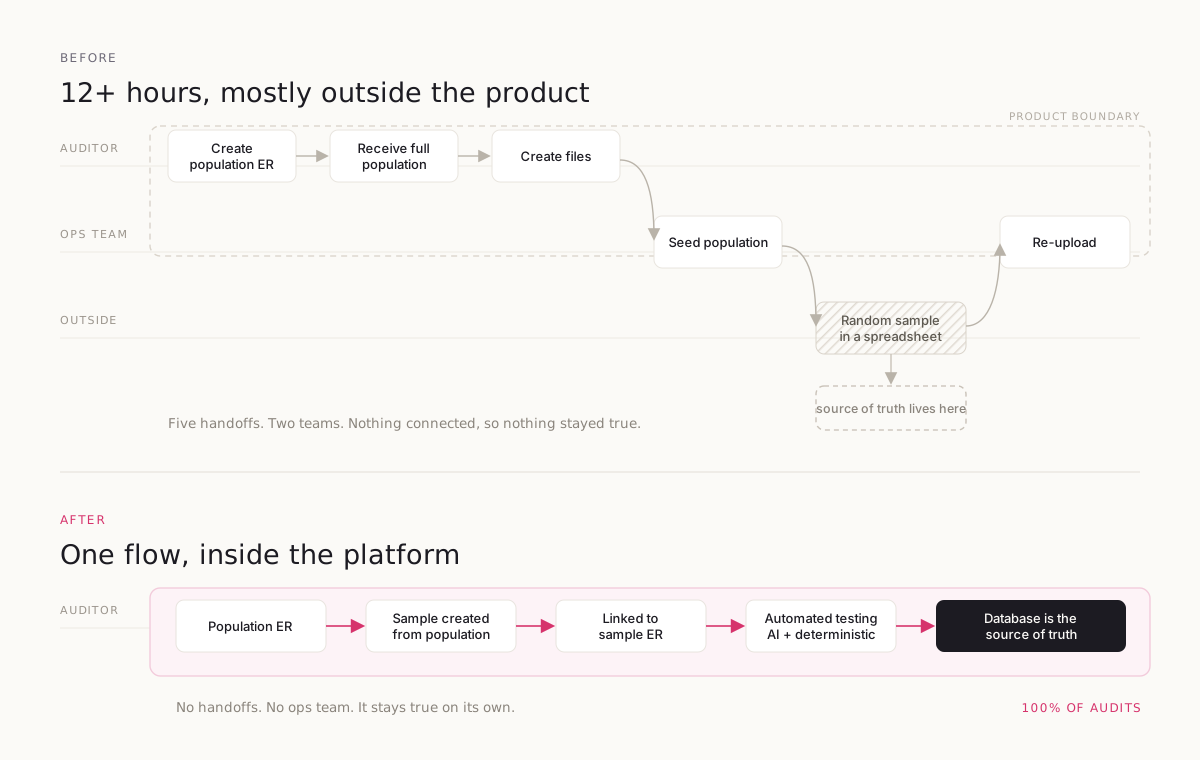
Abstracted before and after diagram of the population and sample workflow moving out of spreadsheets and into the product.
Leadership · AI patterns

Teaching a company to build AI it can defend

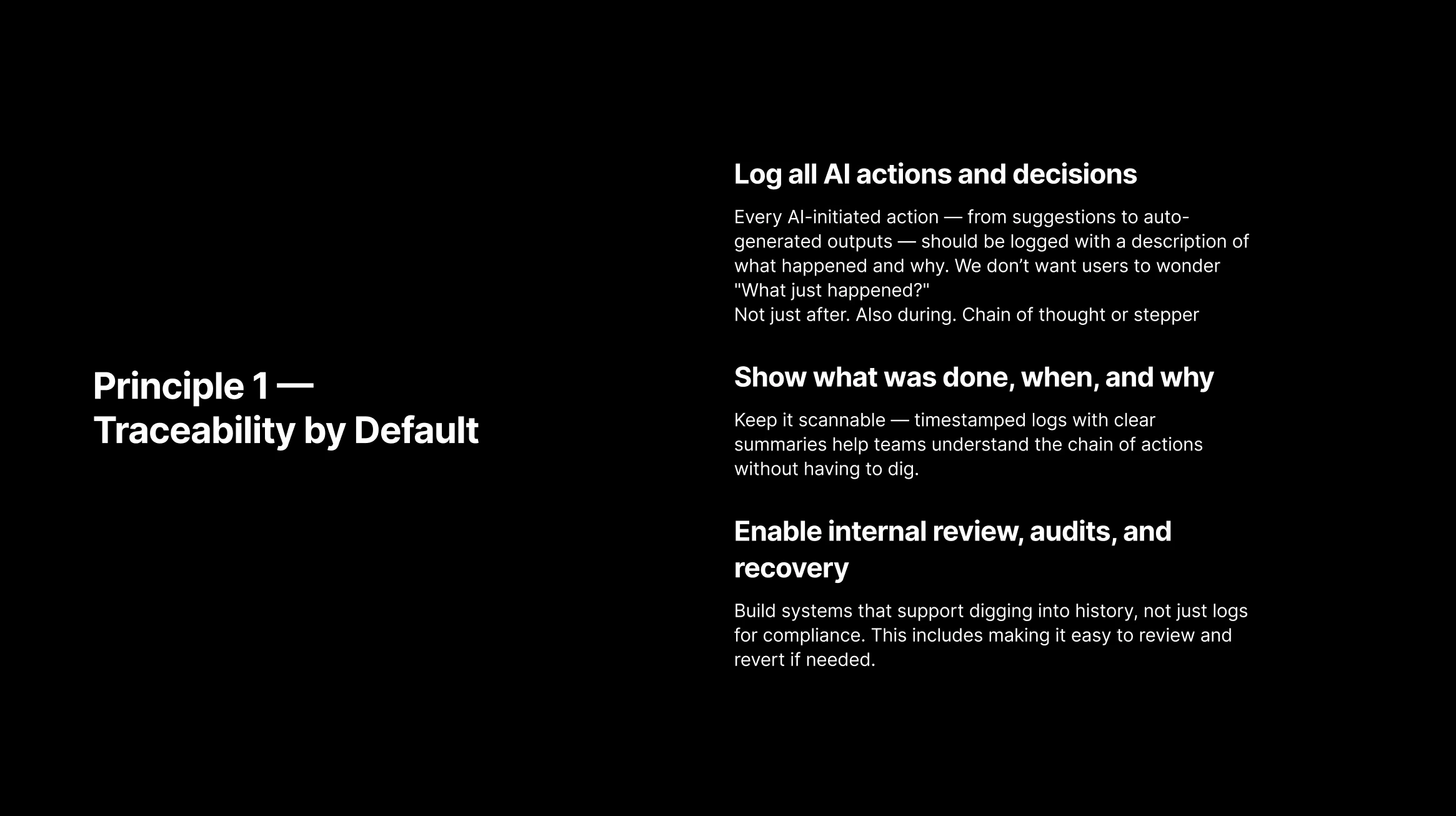
Teams started shipping AI features with no shared idea of what good looked like, inside a product whose entire value is that customers trust it. I wrote the patterns. Traceability by default, human review, graceful failure. Then I did the harder part, which was getting anyone to use them.

Gave a company shipping AI fast a shared definition of what responsible looks like, starting with traceability by default. Presented company-wide, workshopped with a team of five designers.

Read the case study
[ Principle 1: Traceability by Default ]
Field service · IoT · Hardware + firmware

The screens were the easy part

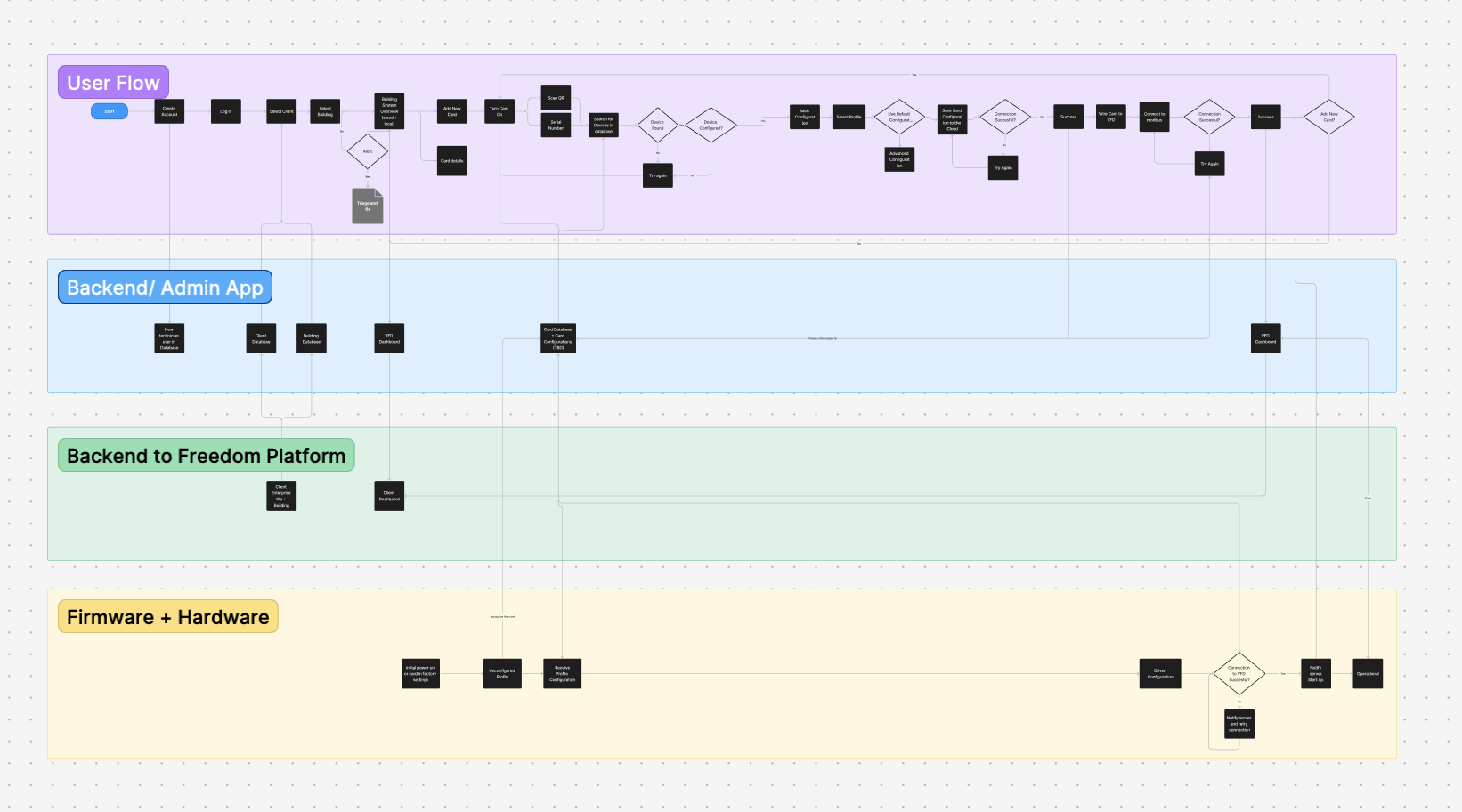
An installation app for technicians working with IoT hardware. The brief was a few clean screens. What I found on site was different: no connectivity where the work happens, failures arriving from three places at once, and three engineering teams who each assumed the others had it covered. The real project was uncovering that, then designing around it.

The app is what let the hardware product ship. No app, no launch. The initial engagement led to a second one.

Read the case study
[ Error state matrix / the app in the field ]
Concept · AI-native · Consumer

Cuída: making invisible work visible

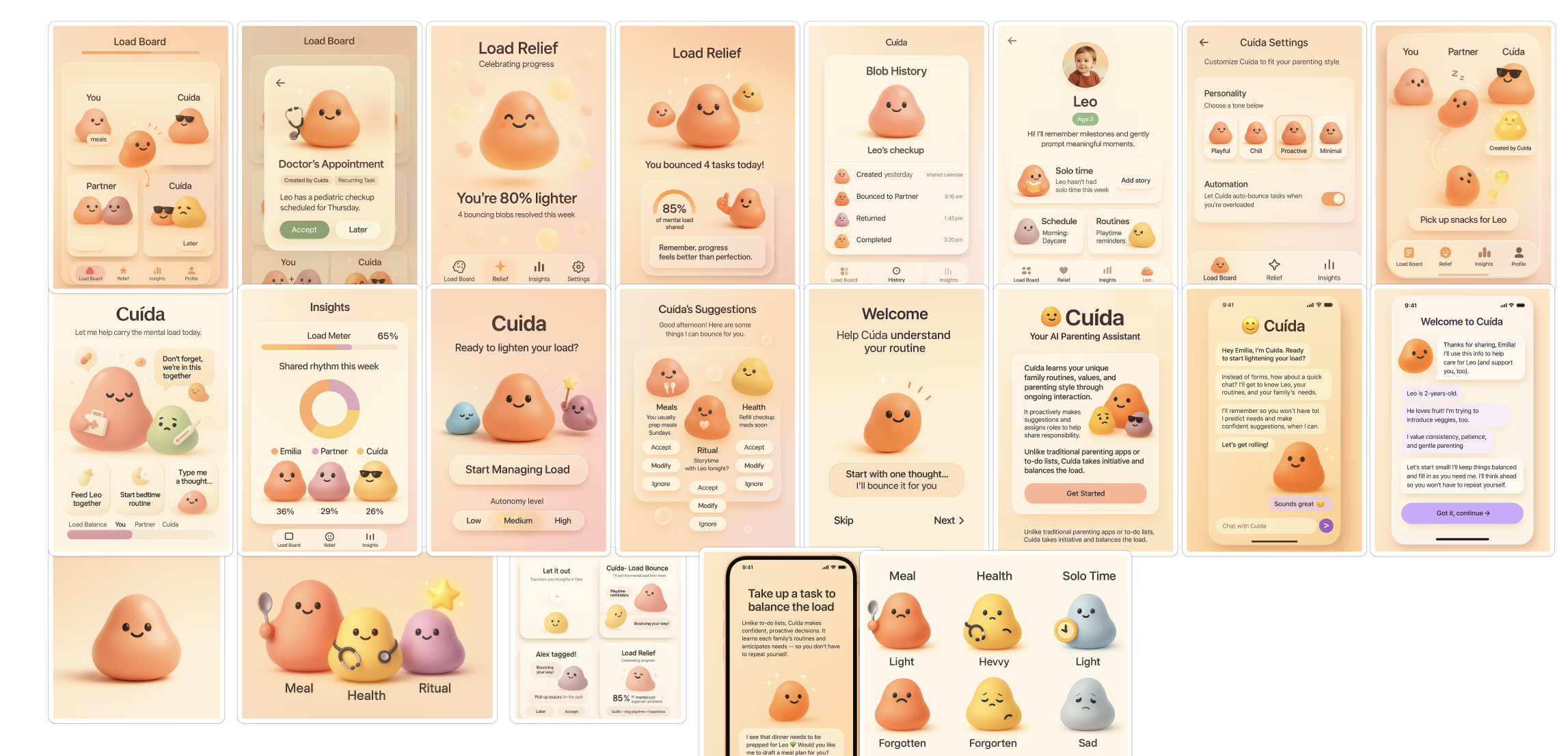
The mental load of running a household is real work, and nobody can see it. I designed an AI-native concept where tasks get carried by small creatures you can hand to someone else, so you can actually watch your load get lighter.

Proof the enterprise rigour holds up on a warm, human problem.

Read the case study
[ Load Bounce concept ]

More work

Shorter reads
Insurance · AI

Insurance AI platform

Research, workshops, and UI for an AI underwriting platform.

Aviation · IoT

Smart hangar app

Research, design system, and UI for connected hangar hardware.

HR · Payments

Global payment platform

UX, UI, and design system for a global HR and payments web app.

How I lead

Method over process
01 · Foundation

Problems, then screens

I don't start with what to design. I start with what design should solve. The business outcome, and the person stuck in the process. Then I go and make screens that look good and work properly. Both halves are the job.

02 · Process

Evidence over opinion

I go where the work happens and watch someone do it. Opinions are cheap and everybody has one, me included. A decision should be able to point at something a real user did.

03 · AI

AI, both directions

I design for AI: what a person needs to trust a system that's sometimes wrong, when to show the reasoning, where a human takes the wheel. And I design with it, using AI to move fast without automating a broken process by accident.

04 · Craft

Teams that raise the bar

I coach designers on craft and on AI-native thinking. The aim is that quality stops depending on me being in the room.

About

How I actually work

My process holds up in any complex environment. I go and find whoever is stuck in the work, and I watch them do it. Then I map the system they're fighting rather than the screens they happen to be looking at. Somewhere in there is one decision that everything else hangs off. That's the one I design first.

Compliance is a genuinely complex place to work. The rules are tangled, the consequences are real, and the people using the product are personally accountable for whatever it tells them. So trust here doesn't get to be a value on a slide. It's a set of concrete calls. How much does the system explain itself? Where does a human sign off? What does it do when the machine gets it wrong?

I started in graphic design, and it still shows. I care about type and spacing more than is strictly reasonable. What I'm useful for now is wider than that: I help define what a product should be, I can still do the UI myself, and I've led teams of four to seven, working with leadership to set the metrics and practices design is held to. I manage for two things that pull against each other, what the company needs and what each person on the team needs to grow. I don't think you get the first without taking the second seriously.

  • Based in Chile, working across time zones
  • 10+ years in product design across insurance, field service, and compliance
  • Helped define and establish AI patterns for enterprise products
  • Mom to a toddler and a dog
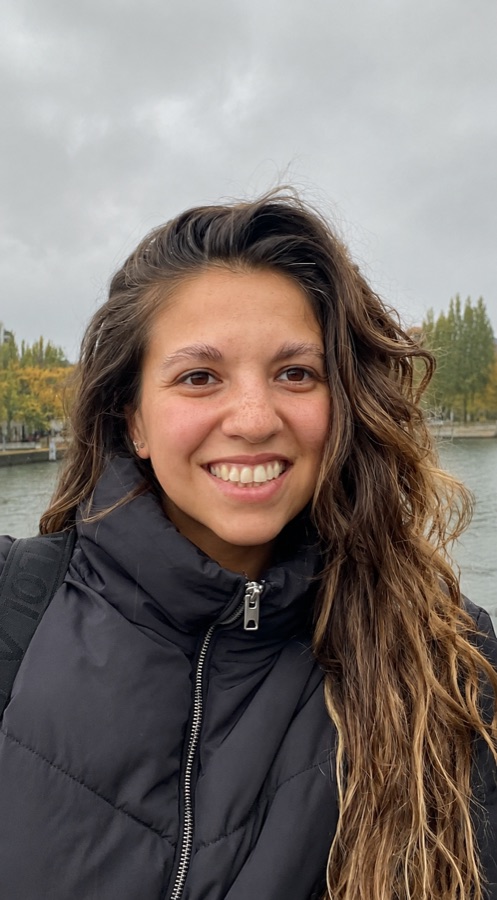
[ Your photo ]

Yes, the loop up top is hand drawn. Some things shouldn't be automated.

Contact

Got a problem worth solving?